Full Signal: The Ocean Has No Reset Button
2026-11-25


The Thelma Biotel Team
Inside the engineering of acoustic telemetry, where reliability, battery life, and scientific ambition meet the limits of underwater technology.
Once an acoustic transmitter is deployed in a wild fish, there may be no second chance to get it right. No firmware updates, no replacing batteries, no resetting the experiment. The electronics must continue working for years, often far beyond the reach of the researchers who deployed them.
For Eirik Svendsen, Senior Developer at Thelma Biotel, this represents a fundamental engineering challenge. With a PhD in Engineering Cybernetics and a background in developing experimental fish implants, Eirik has worked on both sides of the relationship between scientific research and technology development.
But joining Thelma Biotel introduced a different perspective on what it means to build reliable underwater technology.
From Scientific Experiments to Reliable Acoustic Telemetry
Before entering industrial engineering, Eirik developed implants for monitoring fish behaviour and physiology, including systems measuring ECG and blood oxygen saturation. Much of his research involved data storage tags that could be recovered after an experiment.
In that environment, a device could be modified and the experiment repeated if something went wrong.
“If something goes wrong, I can reset the trial, and I can try again, do a firmware upgrade and things like that.”
Acoustic telemetry in wild fisheries rarely offers the same flexibility. The transition has required Eirik to move from making technology work for a specific experimental setup to engineering equipment that must function consistently, without supervision.
“We make equipment, and it is expected to work for years unsupervised in what is probably the most hostile environment for electronics.”
He even draws a comparison with deep-space probes. Both involve electronic systems operating beyond human reach, but underwater equipment must contend with additional environmental challenges, including biofouling, condensation, and pressure gradients.
And unlike many other electronic systems, acoustic transmitters must operate with extremely limited energy reserves. The challenge becomes particularly difficult as batteries approach depletion. Engineers need to extract as much useful operating time as possible without allowing the electronics to fail prematurely.
For Eirik, this tension between reliability and performance is at the heart of acoustic telemetry engineering.
Why the Best Acoustic Transmitter Is Often a Compromise
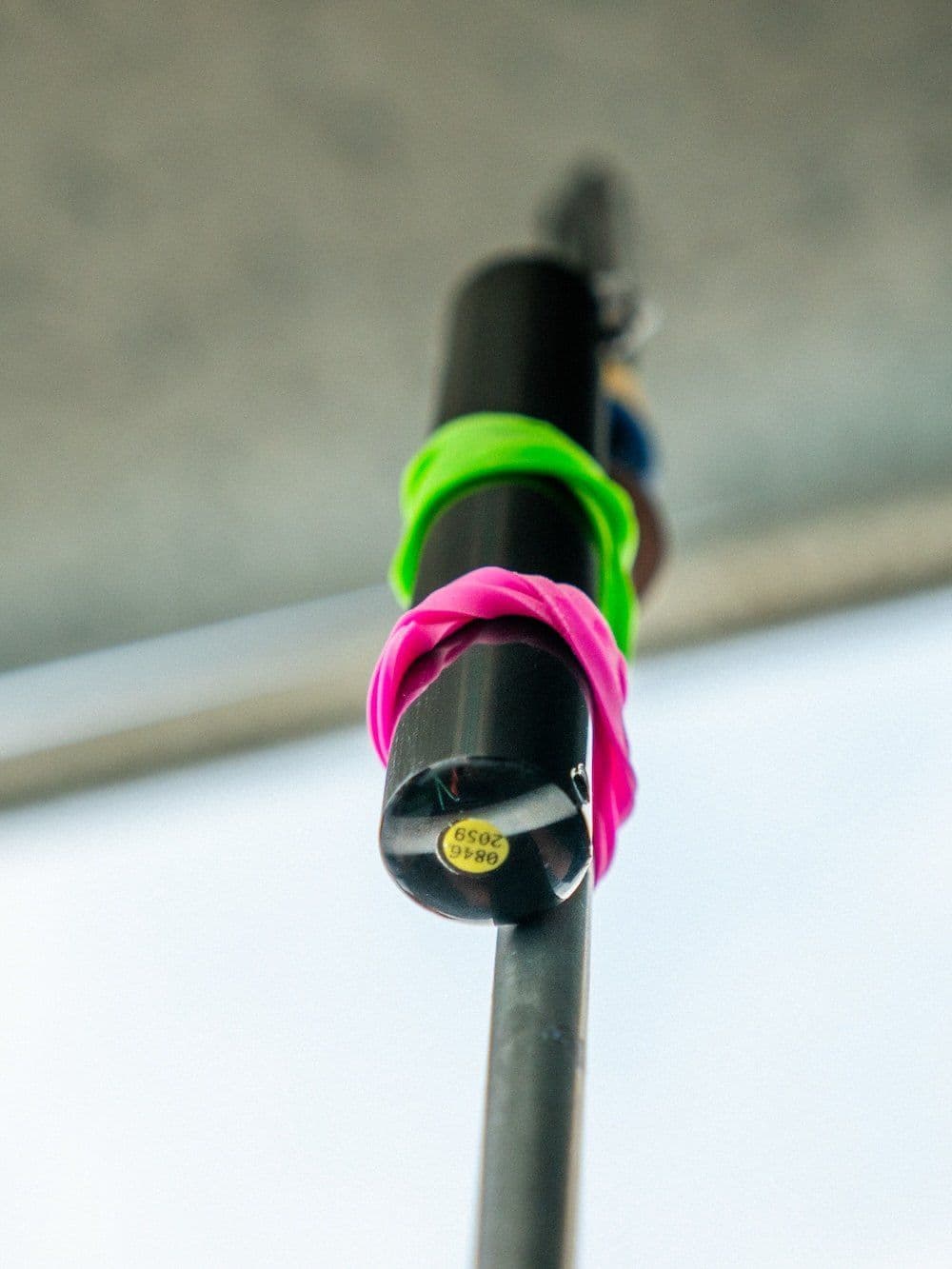
Photo: ocean collective
Researchers naturally want transmitters that are smaller, last longer, communicate over greater distances, and collect more data. But these requirements compete with one another.
“I would rather use the word the best compromise instead of the optimal solution.”
Eirik explains that the relationship between transmitter size, energy consumption, and acoustic performance creates unavoidable design decisions:
- Battery life versus size: A longer operating lifetime generally requires greater battery capacity, limiting how small a transmitter can become.
- Transmission interval versus longevity: More frequent transmissions consume battery capacity faster, while longer intervals can extend the operational lifetime.
- Acoustic range versus transmitter dimensions: Transmission frequency and the physical properties of the piezoelectric element impose constraints on transmitter design.
These aren't simply manufacturing problems that can be solved by making individual components smaller. They reflect physical limitations that need to be considered alongside the research objective.
Is Smaller Always Better?
Eirik also questions whether the continuing drive toward ever-smaller transmitters is always beneficial. Smaller devices can reduce the invasiveness of tagging, but miniaturisation comes with trade-offs in battery life, sensor capacity, and detection performance.
For animal research, he argues that this raises an important ethical consideration: the potential impact on the animal must be weighed against the scientific value of the data collected. A larger transmitter may, in some cases, provide substantially more useful information. The best choice depends on the research question and whether the expected scientific benefit justifies the potential impact.
Inside Thelma Biotel's Engineering Process
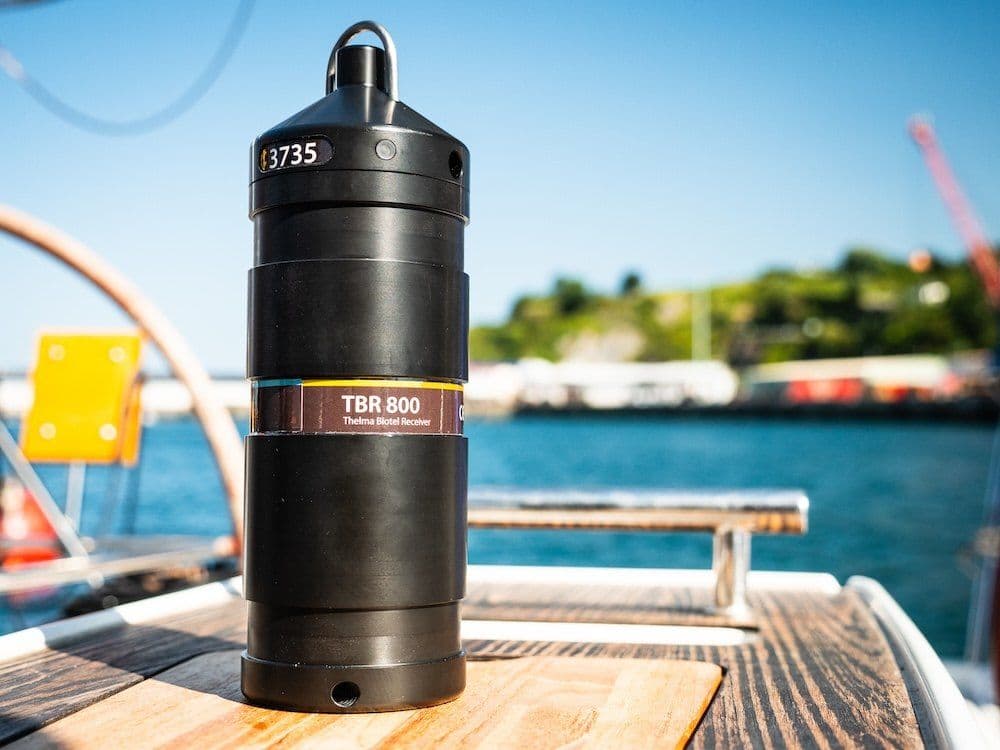
Photo: ocean collective
How does Thelma translate these competing requirements into working acoustic transmitters and receivers?
Eirik describes an engineering approach that starts before the first component is selected. For major developments, the team first establishes a design specification defining what the equipment needs to accomplish.
The specification creates a common understanding of the requirements, but it doesn't eliminate uncertainty. Questions inevitably emerge as engineers begin choosing components, developing firmware, and assessing the consequences of earlier decisions.
Thelma's approach therefore combines structured development with room for experimentation:
- Define the problem before building the solution. Design specifications establish the intended functionality and requirements.
- Document engineering decisions. Important choices are recorded in design notes and revisited as development progresses.
- Change direction when necessary. Eirik describes a fail-fast approach in which unsuccessful design decisions are reconsidered rather than carried forward.
- Test under controlled conditions. Software and firmware testing is complemented by physical tests, allowing engineers to compare iterations and evaluate whether changes achieve their intended results.
Not every development follows this complete process. Smaller fixes may need only a short design note, while exploratory work allows engineers to experiment with ideas before committing to a formal specification.
For Eirik, curiosity-driven development has its own place alongside structured projects. An engineer might branch an existing codebase simply to investigate whether an idea is technically possible.
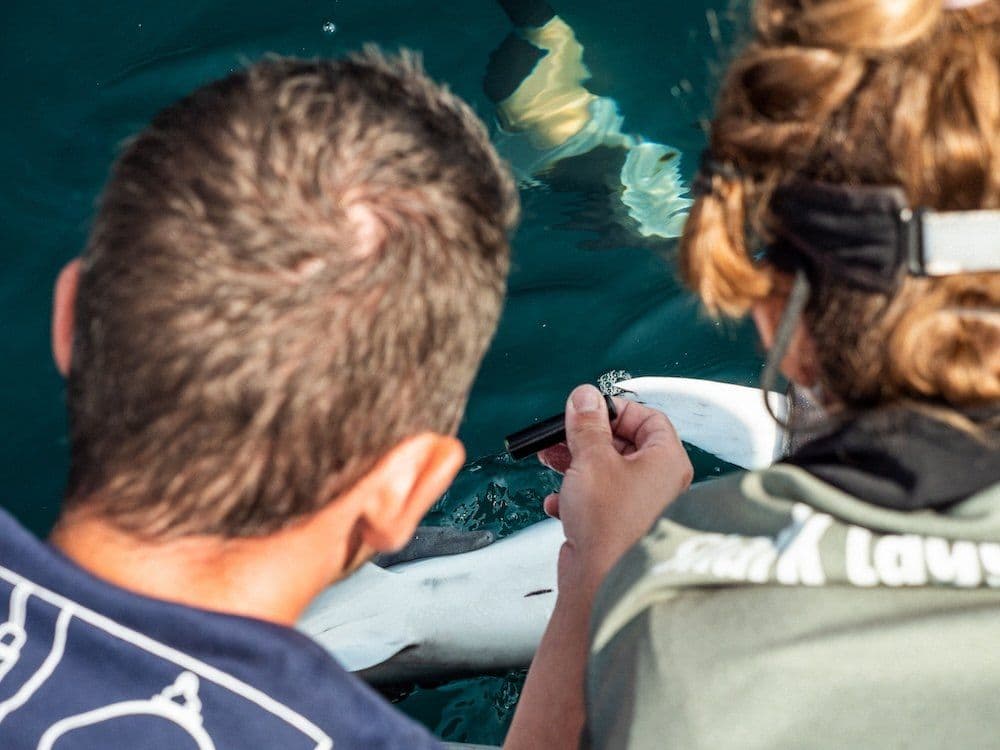
Photo: ocean collective
The common requirement is testing. Whether the team is developing a new receiver, modifying existing firmware, or exploring an experimental concept, the design must eventually demonstrate that it works as intended.
Where Biology Meets Engineering
For Eirik, one of the biggest opportunities in acoustic telemetry lies in bringing scientists and engineers closer together.
“Acoustic telemetry is where biology and technology meets, right?”
His scientific background helps him understand both sides of this relationship. As he puts it: “If you want to measure something, you need to understand the system you are measuring.”
Eirik believes knowledge needs to flow in both directions:
- Engineers need to understand biology: The species and scientific questions should inform what technology is developed and how measurements are made.
- Researchers need to understand technology: Knowing its capabilities and limitations helps scientists design studies, manage expectations, and select suitable equipment.
This philosophy also shapes Thelma's approach to sharing technical knowledge. Eirik describes plans for a series of research and engineering white papers intended to serve as a resource for the wider acoustic telemetry community.
Rather than focusing on Thelma's products, the papers will address fundamental technical questions:
- Activity measurements: How sensor placement, fish movement, and measurement settings influence the interpretation of accelerometer data.
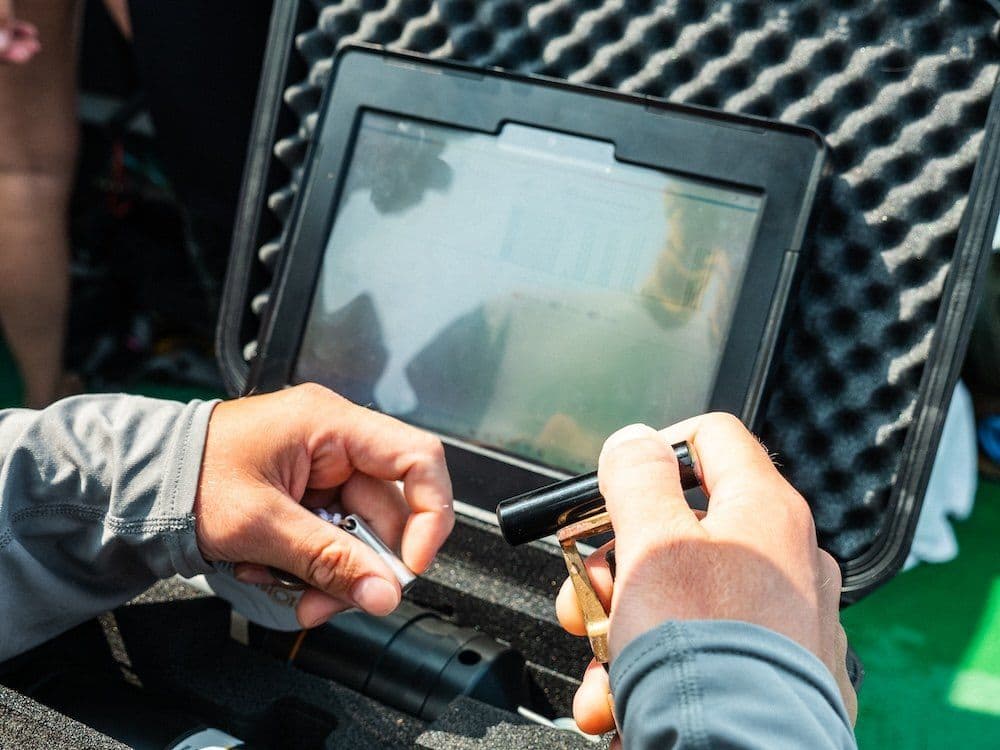
Photo: ocean collective
- Battery life: Which factors determine how long acoustic transmitters can operate.
- Transmission distance: What influences acoustic communication range underwater.
The aim is to create a shared technical knowledge base that researchers can use regardless of equipment manufacturer, improving how the scientific community understands and applies acoustic telemetry.
The Question Eirik Wishes More Researchers Would Ask
At the end of our conversation, we asked Eirik which question he would like to hear more often from researchers.
His answer wasn't about product specifications, battery capacity, or the next technological innovation.
“How can we design our studies to maximize data yield using your technology?”
For Eirik, the most productive discussions begin when researchers and engineers establish a shared understanding of the scientific questions and the technology available to answer them.
That means identifying what's technically possible, recognising the necessary compromises, and designing studies around the information that matters.
It's also a reminder that acoustic telemetry doesn't begin with deploying a transmitter. It begins with the decisions that determine what the transmitter needs to accomplish.
Because once the equipment disappears beneath the surface, there may be no opportunity to make those decisions again.
About Eirik Svendsen
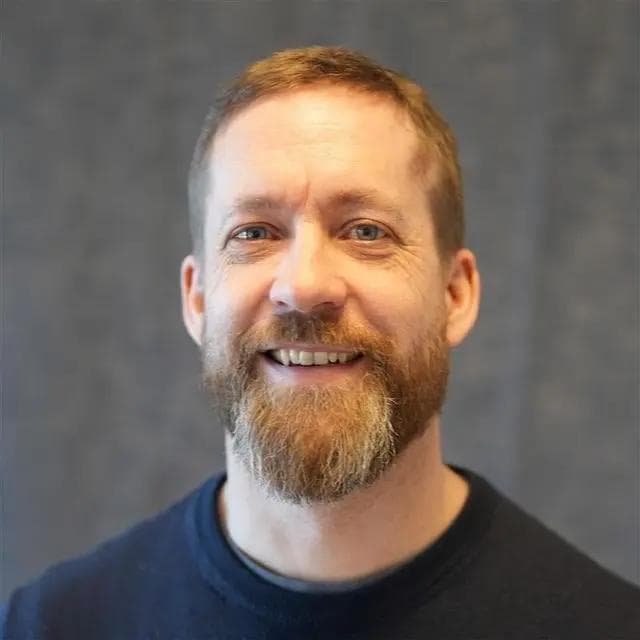
Eirik Svendsen is Senior Embedded Developer at Thelma Biotel. With a PhD in Engineering Cybernetics and experience developing systems to monitor fish behaviour and physiology, he combines biological understanding with electronics and embedded engineering to develop reliable underwater technology.
Thelma Biotel’s Acoustic Tags and Receivers
Thelma Biotel’s acoustic tags can be configured for different species and study requirements. The TBR 800 acoustic receivers collect tag detections and environmental measurements during field deployments, supporting research from animal tagging to long-term monitoring.